Tag Archives: Travel

Peter Jones Pietro Place Milan's Canals

The Revitalization of Milan’s Canals

When most people think of Milan, they think of the Duomo, La Scala, the Galleria Vittorio Emanuele II, and The Last Supper.

These are the “iconic” parts of Milan that are on every sightseeing tour if you happen to be passing this way.  Let’s face it; Rome compared to Milan is pretty much a non-issue.  Rome has the lot – the history, the museums, the beautiful evening light, and of course the weather.  But Milan is a city of the north; closer to its German neighbors and a stone’s throw to France.  Milan has a certain atmosphere about it.  It’s a young city, a city famous for its fashion houses and beautiful people, and a nighttime scene that can rival Spain.  Furthermore, with the advent of the high-speed train network, notably the Frecciarossa, Milan to Rome is a cool 3.5 hours.  Two cities that were so diametrically opposed have been brought closer together through modern transportation. And who would have thought that Milan has a touch of Venice to it as well!

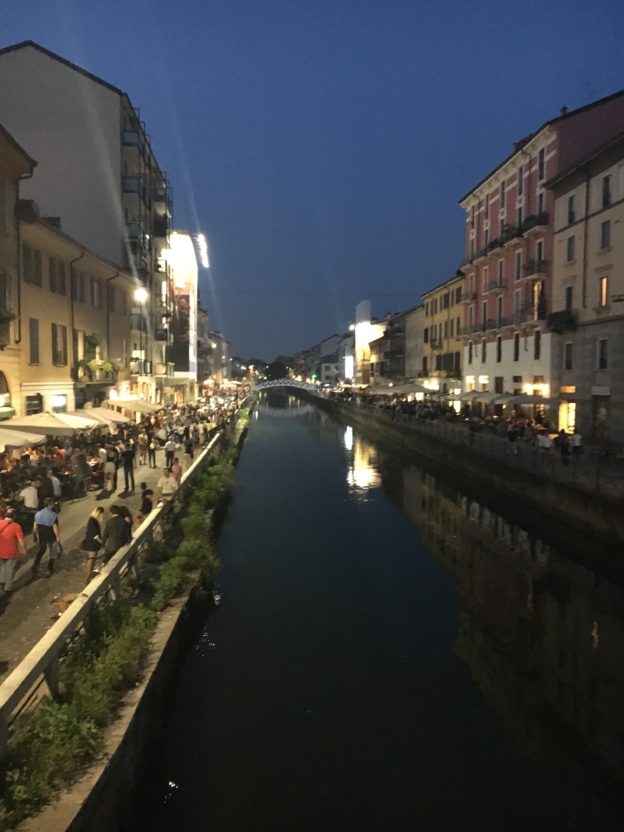
Milan boasts a neighborhood of canals that had been forgotten about and then resurrected to create a vibrant restaurant and bar scene that for most people is one of the best kept secrets in Europe.

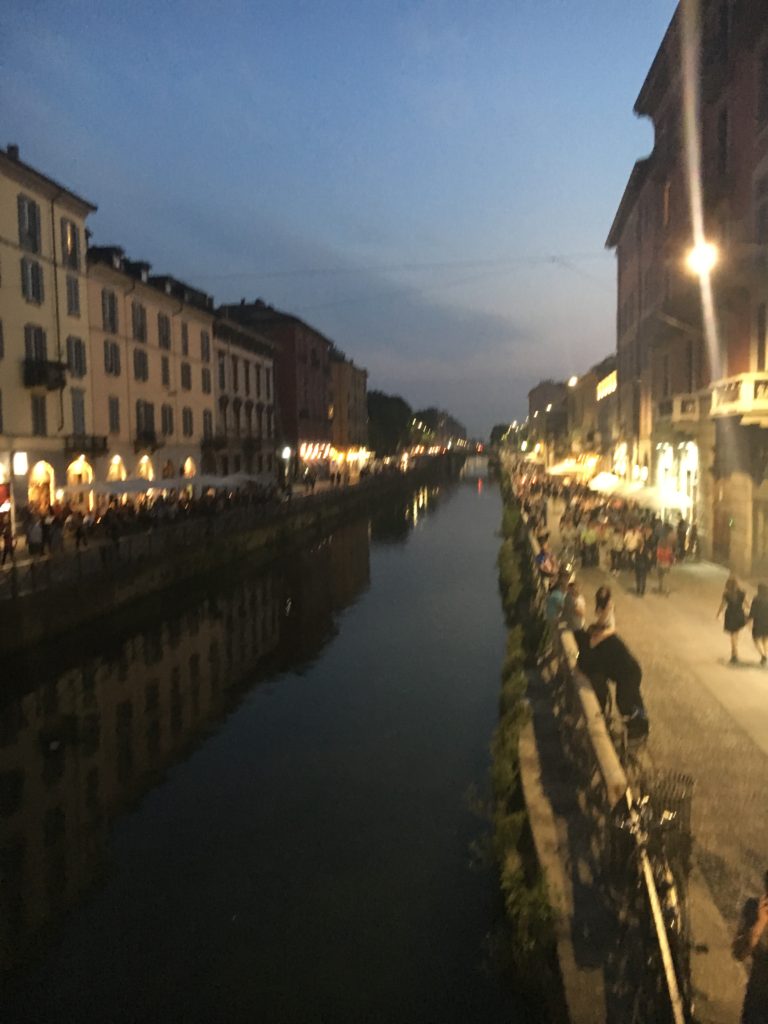
The Navigli is situated southwest of the historic center.  In its heyday, the canals formed a 150 km network that connected the city with the main rivers and the large lakes to the north.  They were used for irrigation and more importantly transportation.  The earliest known construction was in the 12th century.  Because of this ingenious way to transport goods and irrigate farm lands, Milan became the country’s largest inland port despite the absence of a main river.  This “little Venice” thrived but then with the advent of roads, it fell into decline.  What consisted of five canals has now been reduced down to three.  But a renaissance of sorts took place around the main canal, the Naviglio Grande.  It is a trendy locale with high house prices but it is a cool urban neighborhood that represents an edgy Milan.  This is really where everything happens with cruise boats, restaurants, bars, and a fabulous antique market.  I got to eat in one of the great restaurants called Fiaschetteria Il Montalcino on the Via Valenza #17.  We took a couple of beers in one of the bars, walked over a beautiful iron bridge, and gazed in wonder at the shimmering lights on an ancient canal.  I could not believe this was my first time here.  I could not believe this was Milan.  Travel is a wonder.
Navigli canal Peter Jones Pietro Place Milan's Canals

River Tour of London’s History

A River Tour of London’s History

A remarkable aspect of London is the way they have adapted their new skyline to an old river.

When I was growing up, the Thames and the embankment areas were barely used.  There was one boat that would take you from Westminster to Kew Gardens and Henry VIII’s palace of Hampton Court and another boat that would travel as far as the tower and Tower Bridge.  It was as if the river ought to be ignored and certainly to all intents and purposes stopped at the Tower.  The French have long made fabulous use of the Seine.  It was inevitable that the Brits would someday catch up and would start to develop a world-class waterfront to showcase London.

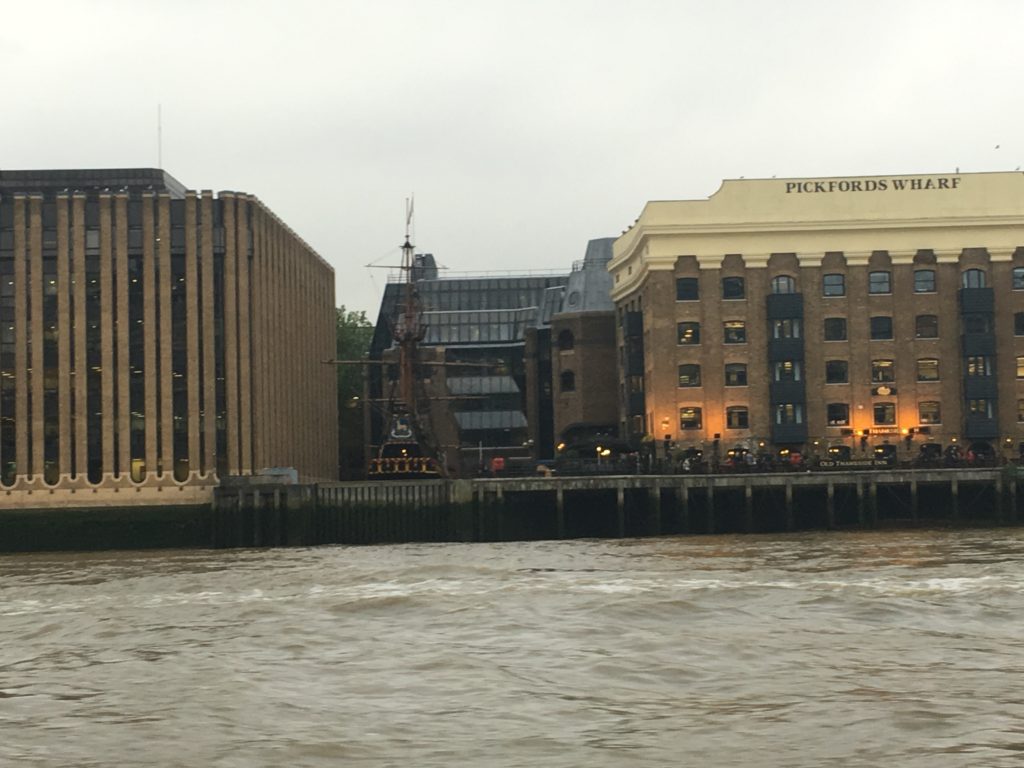
And so it goes that pretty much everything starts around Westminster and heads east towards the new developments down at Canary Wharf.  The east of London, once a wasteland full of warehouses and disused wharfs, is now a principal point of traffic with its own airport, super high-speed trains, and new buildings that pop up it seems every six months or so.

For me, one of the greatest joys in London is to take a river tour of London’s history.

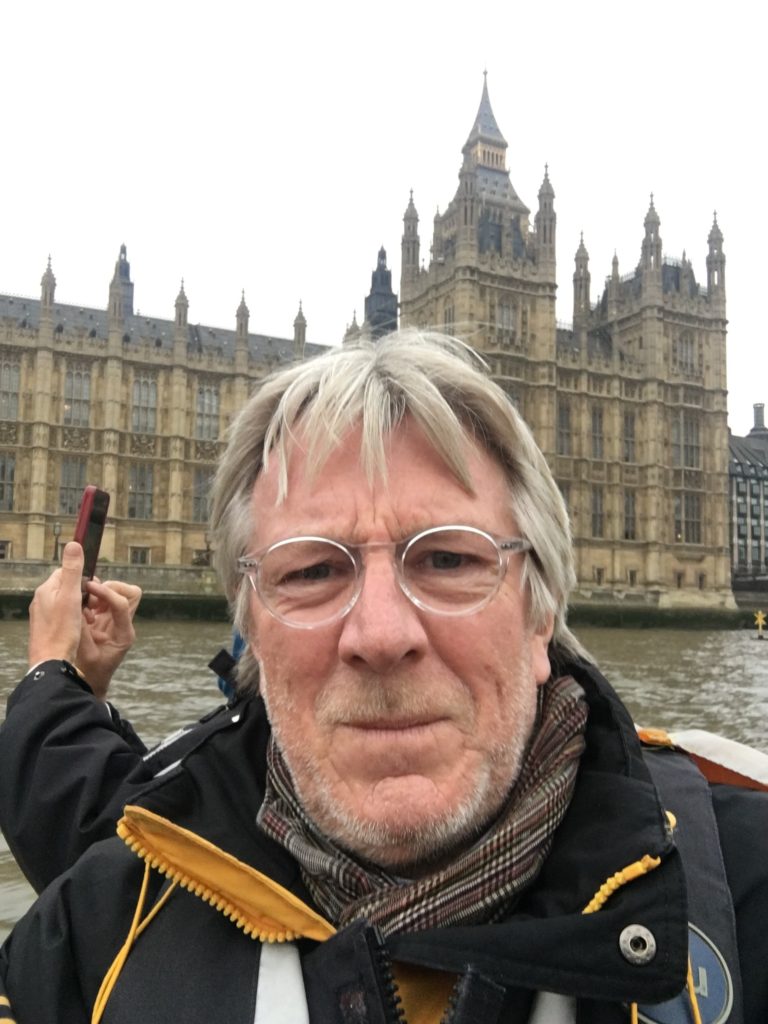
These are essentially boat rides that encompasse the Houses of Parliament and Big Ben, the London Eye, Shakespeare’s recreated Globe Theatre, the Tate Modern at the old Bankside Power Station, and the fabulous new London City Hall, the Shard, the Walkie Talkie, the Gherkin, and the Millennium Bridge, otherwise known as the wonky bridge.  Not to mention the fabulous Tower Bridge and its neighbor, the ancient Tower of London.

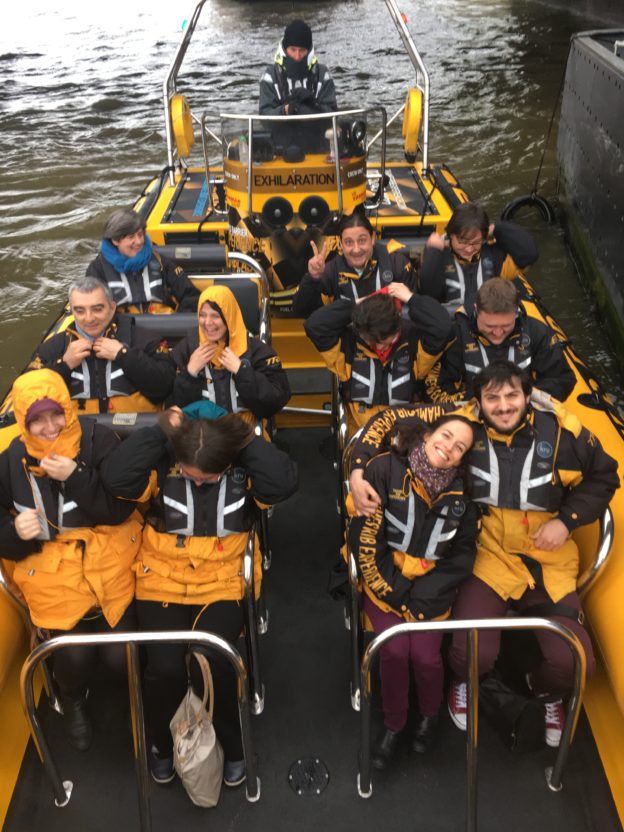
So a bunch of us decided to do this journey using the Thames RIB Experience boats.  Essentially, it’s a high-speed boat ride eastward down the river with different possibilities for location – Tower Bridge, Canary Wharf, or the Thames Barrier.  It is a great ride.  You embark at Embankment Pier and the journey can take anywhere from 30 to 75 minutes depending upon how far you want to go.

The boat twists and turns in spectacular fashion as you get into open water after Tower Bridge. It’s powered by 740 horse power, in other words it moves very fast.  It rained a bit but nobody got wet because the boat was moving at jet speed!  It was one of the fun ways to see the river and count the changes that have graced this skyline.

One shout out to London in the midst of the Brexit catastrophe – Congratulations!  You have a Muslim mayor, the son of a Pakistani postal worker, in this most cosmopolitan city.  So proud to be a Londoner!
River Tour of London’s History

River Tour of London's History

Brexit: The Days After

Brexit: The Days After

As a Brit living in the USA and holding a UK passport and a USA passport, I felt that I had this unique opportunity to work and travel in 29 countries.

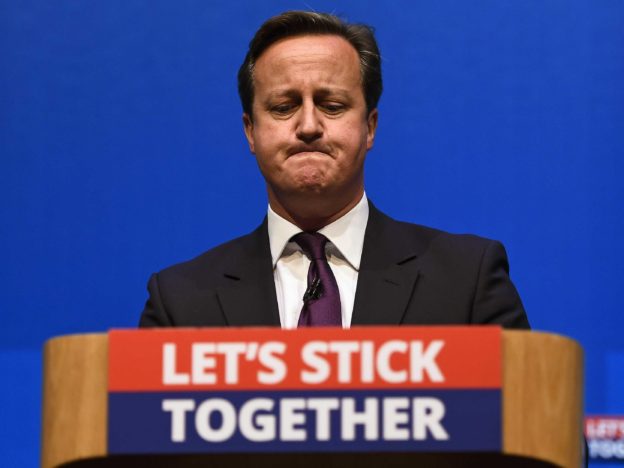
That changed. The United Kingdom has just experienced a political nightmare.  What most thought would be a very passable referendum to remain inside of the European Union sparked such fierce political divisions that the vote went into the night and became a cataclysmic defeat for those that wished to remain in the EU.

The political fallout from this is still happening.  The Labor Party, Britain’s main opposition party, has been splintered and almost certainly sidelined for many years to come.  The Conservative Party has lost its leader and the Prime Minister.  As two populist conservatives, Boris Johnson, the disheveled and outspoken ex-Mayor of London, and Nigel Farange, a leader of the generously named but highly racist Independent Party, became the outspoken leaders for the “leave” camp.  Neither of these two villains will see power but they did enough damage to offset the gains made by being a member of the European Union for the last 45 years.

It was a campaign fueled by fears of immigration laced with racist terms.  Bringing “England back to England” banded around with frightening repetition.  At the end of the day, England is out.  The ramifications of this will be most obvious in the years to come.  In a global society, in a global economy, England has chosen to be isolationists fueling the immigrant polemic and walking confidently backwards into a “we once were great” illusion.  If that is not enough, English hooligans were on display everywhere during the European Championships of soccer.  To let you know what you really will be getting if you cut off the supply of bright, young Europeans who come to England to study our language, our culture, and more importantly, to work.

What does all of this mean for the traveler?

On a positive note, it means that your dollar will go further because the pound is tumbling and the euro has taken a hit as well.  It will probably mean more border checks and as England is not in the EU, the lines will be a little longer on the Eurostar and at the airports.  The fact that the United Kingdom is not in the Schengen Agreement which entitles free mobility between 19 countries will make it less of a problem.  For the United Kingdom passport holder traveling to Europe, it will mean longer lines and no freedom of movement.  It will mean that people will not be able to work freely with a British passport in any of the 27 member states and of course vice versa.  It means that in five to six years’ time, London will probably seem a little bit more English and that is not a good thing!  I love hearing the sound of foreign languages on the streets of London.  It makes me feel that I am in a cosmopolitan city, it encourages languages to be studied, and cultures to be learned.

Europe just lost one of its stars.  The United Kingdom is also the second largest economic country in the 28 countries with Germany still as number one.  But critically, Europe will still be a trading block of over 450 million people and therefore the second largest trading block in the world behind China and ahead of the USA.  The United Kingdom, in addition, may also become somewhat disunited within itself.  Scotland, who fiercely voted to remain in Europe, will probably elect to have a referendum and leave the UK.  Northern Ireland may do the same.  That would leave a very strange United Kingdom.  But for us tourists it would mean that we would have to go through border control to get to Edinburgh and the drive from Dublin to Belfast would also have a new border constructed.  Maybe we will have a united Ireland!

Of course none of this will take place right away.  Article 50 of the EU is the thing that has to be invoked.  That will set a two-year timetable for the unprecedented departure of one of the member states.  Thank goodness my grandmother is Irish!  I am applying for my Irish passport now!


Pietro Place Peter Jones Raden

A New Kid on the Block – Raden A22

So, there’s a new kid on the block now.

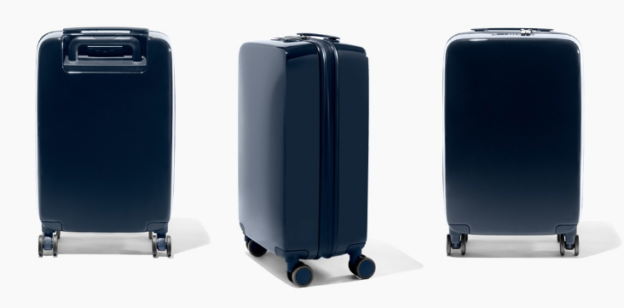
I just purchased a Raden carry-on. Check out the website! They have a really cool color palette for each of its suitcases of varying sizes. As an entry-level bag, they have introduced an incredibly affordable 22” roller with state-of-the-art Japanese spinning wheels, a fabulous polycarbonate shell, and a polyurethane overlay that creates a waterproof seal. It’s light at only 7.5 pounds and it’s four spinning Japanese wheel bases are as good as it gets.

Here’s the great stuff though – the technology within it is exceptional.

There is a pouch that contains a USB cable, sleep blindfold, orange earplugs, and the ergonomic handle is a scale. It has an app that you download on your phone, it has GPS capability through the app, and a charger in the bag itself. It’s an inexpensive $295 that should be compared to the Tumi’s of this world and the Zero Halliburton’s which retail for much, much more. My Briggs and Riley bag just doesn’t feel cool enough anymore. Check it out.

Bags of the Future (Are They Four Wheel Bags?)

I have a confession to make.

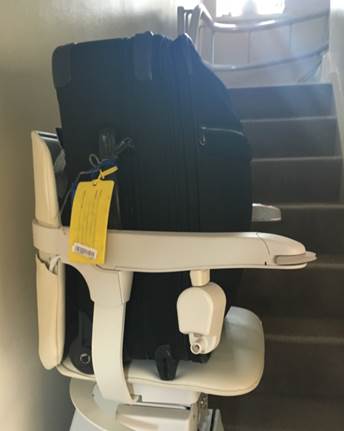
I switched from my Briggs and Riley two wheel 20-inch carry-on bag to one of the four wheel bags: the Samsonite spinner.  I made this move because I didn’t want to pull my bag around the airport when I could have it ride by my side in the four-wheel mode.  The four-wheel mode changed my life from zipping through airports to walking to train stations.  Everything became easier unless there was carpet.  Agghh.  Carpet is your enemy with the four-wheel bag.

Frankly, four wheel bags have a few issues.

On a trip from Tel Aviv to London, I was waiting in the jet way that has a little tilt to it, and somebody behind me asked a question.  I took my hand off of my bag, which also had my Tumi backpack perched on top, and as my hand left the bag, the bag took off.  I looked around in horror as a poor woman was attacked by my bag.  The heavy four-wheeler knocked her completely over.  I tried to hold her up but if that was not enough, her glasses flew off, her hands were flailing, her passport dropped on the floor, and my backpack finished the job as it landed straight on top of her head.  If I had been driving in traffic, I would have been arrested for failing to be in control of my vehicle.  As it was, I helped her back to a standing position feeling really embarrassed and told her that it was all my bag’s fault.  I felt a sense of shared responsibility.

These bags do roll around.  If you are in a train, they roll away from you, if you’re in the bus connecting around the airport, they are unreliable.  I figured to myself that there must be a bag that has brakes.  In the meantime, I had dusted off my Briggs and Riley bag and much to my bags surprise I gave it a second chance.  Yeah my arm is hurting me a little more but the danger of uncontrolled roll with the four-wheeler is not there.

So I did some research. The only bag that I could find that had the potential to not move in its standing position with spinner wheels is the unbelievably overpriced Rimowa luggage.  When I say overpriced, I mean the 21-inch multi-wheel bag is a cool $850.  Yes, I know that this provides “a sublime fusion of fashion and lightweight durability” plus apparently it has “intelligent interior design to make it an indispensable travel companion.” But the key feature here is that it has protective feet to guarantee that the suitcase will stay in place when you prop it up right.  No hit and run problems!

My only question is that when I buy a car with four-wheel drive, frankly it has brakes just like the two-wheel models.

Usually there is not an extra surcharge for brakes; it’s just part of the deal.

So why is it that for the added brakes and to look maybe like a movie star, I have to spend $850 on a piece of baggage that really has little interest for me beyond storage capability and ease of movement through an airport?  Just a question desperately looking for answers and remembering with horror the incident in the Tel Aviv airport when my four-wheel vehicle went out of control on the jet way.

guided sightseeing tours peter jones pietro place

Guided Sightseeing Tours

I live in Boston, I am from London, and I am in the travel business.

I watch the endless flotilla of sightseeing buses in their various forms trundle through the streets and main thoroughfares of all of the major cities.  I actually love the double decker buses in London and the hop on/hop offs that have taken over most of the cities of the world.  They truly serve a vital and useful function.  When people arrive in a city, they need an overview just to get their bearings.  While it is not my cup of tea to get stuck in a traffic jam, I sort of like the views and it’s a lazy way of a getting a history lesson.

Most of the time, guided sightseeing tours are brilliant.

The guides are local and with their peculiar accents and personalities they shine.  They are great communicators, energizers, and perspective givers.  They have their arsenal of anecdotes, their funny stories, and they are often our first impression when we arrive in a major city.  God forbid the poor tour group who gets the unbrilliant guide reciting date after date, detail after detail in the most hopeless way.  These are “the Memorizers” – fear them because they are out there and they will take the wind right out of your enthusiastic sails!

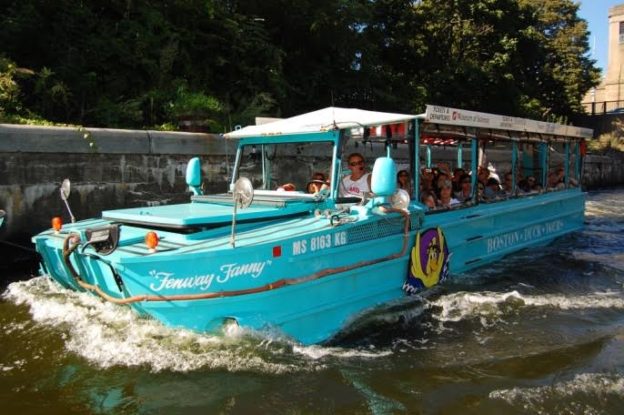
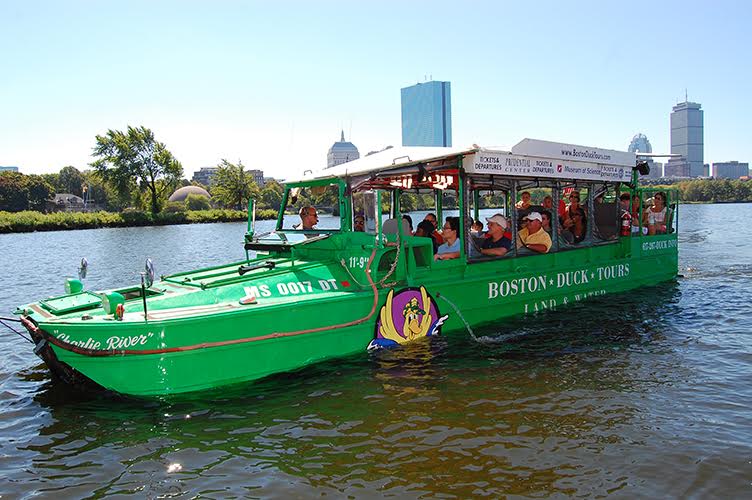
Most importantly, to be able to guide at the highest level, to recite history and communicate it effectively, and to move and change the narrative depending on the ebb and flow of traffic, requires concentration.  A guide should never be the driver of the vehicle.  That would detract from guiding and driving.  The other day there was a tragic accident in Boston with a “Duck Boat.” The “Duck Boats” in Boston are a fun tourist attraction – old amphibious military vehicles restored so that they can drive down the streets of Boston and then on into the Charles River.  It is an incredibly successful concept that has been replicated in other cities where tidal barriers permit.

But there is one problem and it’s a big problem.

The driver, situated about 15 feet above pedestrians on the street, is doing two separate things at the same time; each requiring their own expertise.  Drivers need to have good vision of everything around them, they need to solve short term problems, and they must stay alert to everything on the road and the sidewalks.  In addition, they have to read traffic signs, respond to hazards, and be aware of their spatial significance.  They are essentially driving a tank through narrow and busy streets.

In addition, they are tour guides.  They have to provide commentary, anticipate what they are going to see, and move their commentary around as the traffic changes its pattern.  So how can you do two things at the same time?  Texting and telephoning while driving in most states is forbidden.

Yet these guys drive around with blind spots everywhere, high above pedestrians, bicyclists, and scooter drivers and they are expected to be 100% alert to the changing driving conditions.

It’s impossible.  The tragic accident that happened the other day was proof of this.

What is the city going to do about this?  It looks at the moment like nothing and why….because Boston Duck Tours brings important revenue to the city of Boston.  Shame on you Boston and shame on the Boston Duck Tours.  Add a separate driver to each vehicle; a second set of eyes to help watch for pedestrians and other vehicles on the road.  It cost someone their life the other day and that is too big a price to pay for profit and gain and tourist dollars.

guided sightseeing tours

TSA Woes

Pietro Place TSA Peter Jones

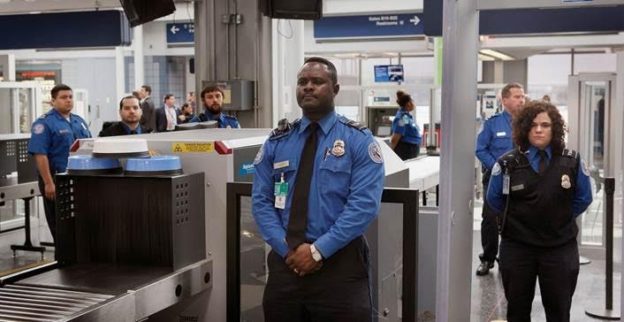
The news on the street is that summer is going to be a lot of fun when you are traveling around US airports. More fun than ever before actually and here’s the reason.

TSA have reduced their staff by 2,000 people.

So, those long lines that we already encounter are getting longer and longer.  Tempers will get testy and maybe the smiles on the TSA team will start to turn upside down.

So, what’s the deal?  In these tense days of super sensitivity on issues like security and safety, why cut back?  It seems that TSA thought that there would be such a massive uptake in the TSA Precheck approval applications, that they could save some resources for something else.  TSA approval is $85, so it seems that they saw an opportunity for revenue.  It is as simple, though, as putting in an application and scheduling an appointment.  If you already have Global Entry, you are automatically considered as part of TSA Precheck.  It means that you don’t have to remove clothing when going through a screening, nor remove your toiletries.  It’s a massive time saver because they have a line expedited especially for you.

So, what’s the problem?

People are just not signing up for it whether it’s a privacy issue, general laziness, the price, or just a lack of knowledge that it actually exists.

But now they are paying for…or rather we are paying for it if we don’t have TSA precheck.  My advice if you are traveling domestically this summer is to get with the program.  It’s one of the few things in life that is worth the price!

Images courtesy of http://blog.tsa.gov/2016/01/tsa-2015-year-in-review.html and https://www.myheritage.org/news/more-passengers-are-flying-tsa-free-and-thats-a-good-thing/

New York

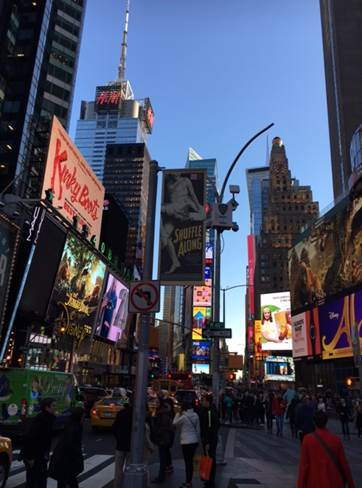
I love New York.

I love the buzz of the city, I love the subway, the crazy yellow cabs, the skyscrapers, the tiny neighborhoods, and of course the theater.

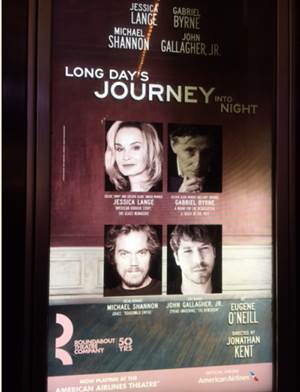
The other evening I saw two plays back-to-back: Long Day’s Journey Into Night and The Father.  This was two days after I had gone with my daughter to see The Sound of Music. Nuns, nannies and Nazis, all intertwined around a delightful and timeless score. The Nazi bit was a little grim but it’s pretty light with the sing along stuff! So here I was in NYC taking in Long Day’s Journey Into Night, an intense play, three and a half hours long, by playwright Eugene O’Neill. The Father is a French tale by French playwright Florian Zeller and translated by Christopher Hampton who was the one who single handedly transformed a 1782 Choderlos de Laclos novel to make the incredible play Les Liasons Dangereuses.  It’s pretty intense. It’s a study of the tragedy and gradual deterioration associated with dementia and Alzheimer’s. Brought tears to my eyes as I thought about my father too.  And what to do after all of that? Head to a great restaurant of course and that would be Esca, my favorite restaurant in New York on 43rd between 9th and 10th Avenue.

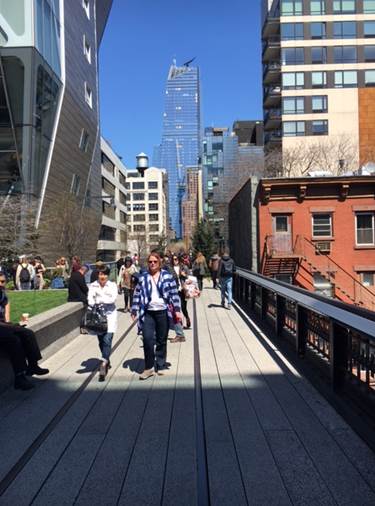
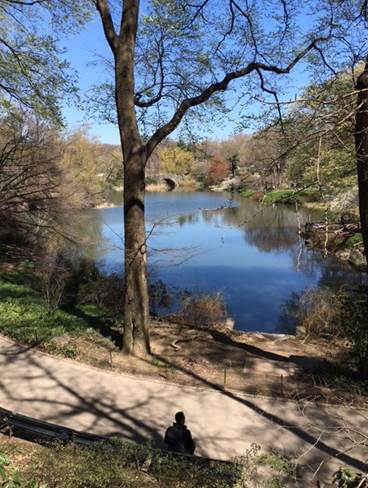
The next day, I grabbed the metro and went down to the Empire State Building and took a stroll from 33rd to 14th street on the High Line, a fantastic community effort along the discarded elevated train tracks. It dropped me off right in the meatpacking area and I got to pop into Soho House for a quick bite and a view from the rooftop pool across the Manhattan skyline. I then took a walk through Central Park, saw the seals in the children’s zoo and thought how amazing to have such green space in between all of this bigness and towering glass structures.  Of course I ran out of time and jumped a yellow cab to La Guardia. I should have taken the Acela, but honestly, at three hours and 50 minutes, it still doesn’t make a lot of sense when you have an urgent appointment back in Boston.

Plea number 100: Open up this Eastern seaboard corridor Mr. President and run fast trains down the line.

The Acela is anything but accelerated! It’s slow and the service on board is dreadful. Why is Amtrak so bad?

High Line Park

High Line Park

Central Park

Central Park

Long Day's Journey Into Night

Long Day’s Journey Into Night

Droning On

Let’s face it; flying is not what it used to be.

We pile into a tube, we wait sometimes for an hour on the runway, and we hover with trepidation over a busy airport waiting to land. We do all of that increasingly on a jammed plane with no empty seats available for breathing room and staff that appears to care less and less about customer service. Then add to that the natural fear of flying that lots of people have.

My daughter, for example, is in a perpetual state of angst for the entire flight.  My mate Sergio in Italy who flies all over the world has to close his eyes taking off.  It’s understandable. When you think about it, it doesn’t seem natural that we are all sitting in a metal object watching videos and having a beer at 35,000 feet in the air knowing that this thing weighs, without the 200 passengers inside of it, about 770,000 pounds!  So that adds a minimum, judging by today’s girth issues, another 40,000 to 50,000 pounds with the luggage! And there are only two engines that our lives depend upon!

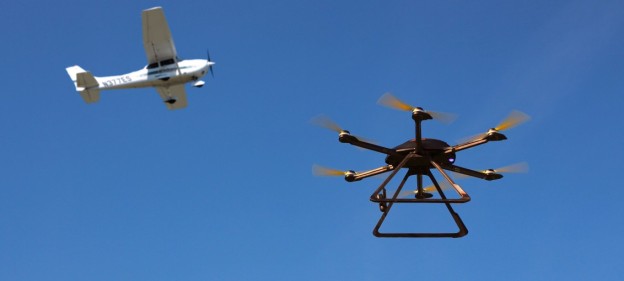
Of course, it’s good to know that the incidence of imminent danger on an airplane is less than driving a car, walking to work, taking the train, or riding a bike.  I get that but it still feels a bit weird.  And then I read that with the increased sale of consumer drones, there is the ever increased likelihood that there will be an accident involving a drone and an airplane.

Consumer drones? Are you kidding?

In fact there was a drone incident just the other day at Heathrow Airport in London.  A British Airways flight coming in from Geneva hit by a drone as it came in to land.  Thankfully nothing happened but do we really need this kind of toy in the hands of casual consumers?  It’s bad enough when a flock of geese gets sucked into the jet engines when the plane is landing or taking off.  But to have a drone hit an aircraft either accidentally or not is alarming.

Let’s discount the isolated incidents of pilots who carry hangovers on the plane (thank goodness for the breathalyzer!) and the occasional crazy passenger who creates havoc with the flight attendants.  Let’s not even mention the occasional flight attendants who create havoc with passengers!  But seriously, who needs drones?  The news that my son-in-law law just received a drone from his dad wasn’t reassuring either!

Let’s get drones back to what they are meant for….oh hang on….killing lots of people in faraway places without risking too much collateral damage.  I’ve taken it off my Christmas list to Santa!

Image courtesy of http://aviationbuzzword.com/you-can-now-file-a-flight-plan-for-your-drone-operations-to-alert-nearby-pilots/

Visa Wars

Visa Wars

The European commission seems to be moving closer to deciding to implement a new visa hurdle for USA and Canadian citizens traveling through the European Schengen countries.

That excludes UK and Ireland, but the hotspots like Italy, Switzerland, Spain, France, and Germany will all be affected.

So what is it all about?  Well, under US entry requirements, the US will not allow visitors from the European Union who reside in Bulgaria, Croatia, Cyprus, Poland, and Romania to enter without a visa.  Under the EU law and EU prior agreement, there is a reciprocity between the EU and the USA and Canada that enables USA citizens to travel visa-free in the EU, and EU citizens to enter the USA via the visa waiver program using the ESTA protocol.  Now in these complicated days, and partly because of Schengen, the USA is no longer prepared to except visitors from the countries specified.

The Schengen Agreement is a treaty which led to the creation of Europe’s borderless areas.  It was signed near the town of Schengen, Luxembourg in 1985 and in 1990 a supplemental agreement proposed to abolish internal border controls and a common visa policy.  The Schengen treaties were adopted into the European Union law almost 10 years later and today allow citizens and tourists alike to freely travel from country to country.  The Schengen area operates pretty much like a single state for international travel purposes – no passport control at airports or borders.  It currently covers 26 European countries and a population of over 400 million.  The only opt-out countries are Ireland and the United Kingdom but Schengen is a core part of EU law and EU member states without an opt-out anymore.  Any country joining Europe has to opt into Schengen.

So with the proposal of this new EU policy, of course everybody is up in arms.  Really until the EU sorts out its Schengen borders, this issue could have a dramatic effect on USA tourism to Europe and probably would reduce down tourism to the Schengen countries by about 30%. How scary is that Europe?

Understandably, the USA is holding firm.  It is election year and these are issues that nobody wants to touch.

In addition, the USA points out that the reciprocity between the principle players in Europe and the USA can stand alone.  But the EU is having none of this.  The European Parliament is very close to voting to institute a visa fee for all USA and Canada citizens that travel beyond Ireland and the UK.  In other words, the EU commission is treating this deal as a big deal.  The rights of all EU citizens whether they are Italian or Romanian have to be seen to be equal.  The selection of some member states for visa requirements is considered to be anathema.

The USA has had a two-year warning on this but now this period has expired.

If the parliament votes to create this, it will cause confusion, madness, a loss of tourism, and simply add to the chaos of the current Schengen mess.

All of this comes at a moment when the Europeans are in a quandary.  Austria has just introduced a “border management” plan at the Brenner Pass due to the current crisis.  In addition, multiple spot checks are occurring on many frontiers throughout Europe.  So while the letter of the law, in this case the Schengen Agreement, is a marvelous example of the freedom to move within a block of countries without passports or controls, the current migrant crisis has made this a can of worms too.  Greece, Italy, and Spain are all the recipients of most of the migrants that come to Europe illegally.  Their main goal is to move those migrants on.  That is pretty easy through the Schengen Agreement which is why many border controls are being put back up.

This is the rub though – Americans are feeling a little a bit of trepidation about traveling to Europe anyhow with the recent attacks.  Now if they have to buy a visa (goodness knows how long that will take as there is no infrastructure to do this) and then have to wait in long lines on passport controls, you have a mess beyond a mess.  The cost of all of this will impact the approximately 50 billion Euro economy that tourism brings and that represents a lot of jobs!  This is an export industry at the same level as the automotive sector.

What to do?  The smart thing to do would let go of the “holier than thou” stance in Europe and continue with the near reciprocity that we have.  If the Europeans stick to their guns, and the Americans stick to theirs, then you have a visa war as well as a migrant war and the economic consequences of that will have untold effects on European tourism and the European economy. Hardly a time to wage this kind of war when tourists are in shorter and shorter supply!

My two cents….let it be.

Image courtesy of http://www.myce.com/news/eu-commission-vp-says-copyright-legislation-is-a-factor-in-piracy-76314/

Roman Graffiti

I am in two minds about graffiti.

Sometimes it is just senseless destruction of beautiful facades but more and more it gives voice to a neighborhood in change and transforms organically into art from Banksy and beyond.  Graffiti stretches back through the ages.  It comes from the Italian word “graffiato” which simply means scratched. It really starts like a primitive text message that hasn’t been deleted or expunged from the memory of the ages and it pops up on everything, especially Roman (usually with a clear statement and cause).  It is found in Egypt, in Pompeii, in the ruins of Greece and Turkey, and in the tiny odd corners of Rome.

Recently in Rome, I took a little excursion based on an article I read in one of my favorite magazines, The World of Interiors. I headed to Testaccio which is close to the Protestant cemetery where Keats is buried and the Pyramid of Cestius by the Porta San Paolo.  The pyramid is actually the only surviving Egyptian pyramid in Europe.  It was built around 18 BC by some mad egomaniac who thought he was a pharaoh.  Ego was in high supply during that period.

Testaccio, the Roman neighborhood that sits just behind the pyramid, is going through a bit of a Renaissance.  New restaurants are popping up around what used to be the ancient Roman rubbish heap on the Eastern banks of the Tiber, now known as the Monte Testaccio.  It developed some notoriety in the 1950’s when the filmmaker Paolo Pasolini sat at the top of this rubbish heap of remnants of old roman vessels that carried olive oil for a photograph.  Now this area is a mix of trendy, bohemian, and authentic Roman.

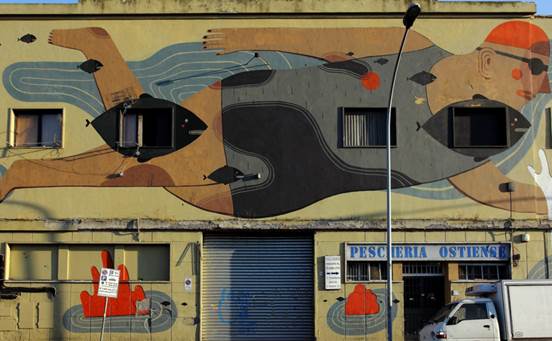
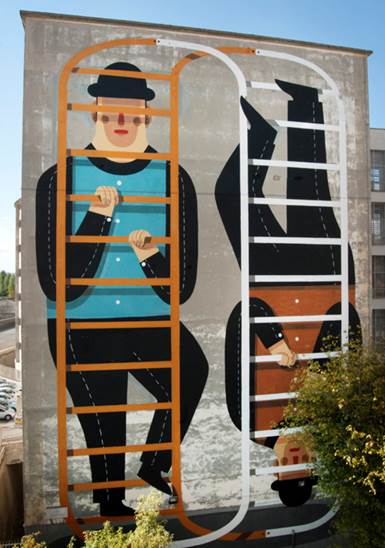
My friend and fabulous Roman guide, Carlotta Boldrini, lives around the corner from here.  Her hood now boasts a new painter on the block.  The article was about these huge murals by Agostino Iacurci. While former markets and factories in Ostiense and Testaccio are transforming into trendy, gentrified eateries, cafes, bars, and apartments, this wonderful artist has pulled together the scruffiness and the neglect of a rundown neighborhood in the process of change and intertwined it with his sensational murals.

As an artist, working outside deprives me of that air of sacredness that you associate with works in a museum,” he says.

Agostino takes on the role of integrating his art into the neighborhoods in spectacular fashion.  His art is big and sits above everyday Rome with warts and all.  His murals are as offbeat as a swimmer with cap and goggles above a fish shop. His equipment is simple: A sponge roller, a cherry picker and simple masonry paint. One day maybe some 2,000 years on, we will find some faded fresco by a huge skyscraper near a tiny pyramid and lament that Rome was once a city that you could walk around and get a decent coffee in a neighborhood bar.
Roman Graffiti Pietro Place Peter Jones Roman Graffiti Pietro Place Peter Jones


Rome

I love Rome.

From the moment I jump in the cab, there is a sense of gradual transition as you journey into this incredibly beautiful city filled with dust, cracks, and occasional garbage bags. It’s all here.

For me it begins as we pass the Sheraton Hotel.  Out in the distance is Esposizione Universale Roma (EUR), a 1930’s modernist vision community of how Rome should be in the new world.  It didn’t really work out that well but it left us some interesting buildings and now a trendy neighborhood with parks and metro access to both the beach and the center of town.  That’s the other thing about Rome – it’s a beach city.  The Roman port of Ostia is connectible by metro from the beach resort through Acilia and trendy living areas of Rome to the Colosseum.

Then for me the real transition begins.  The first sight of any significance is the white marble Pyramid of Cestius outside Porta San Paolo gate. Then you make that turn up the Aventine Hill with the Palatine Hill facing you.  Residential palaces in pink Roman stone look down on the vast field of grass that is the Circus Maximus, one of the largest arenas in the world during roman times.

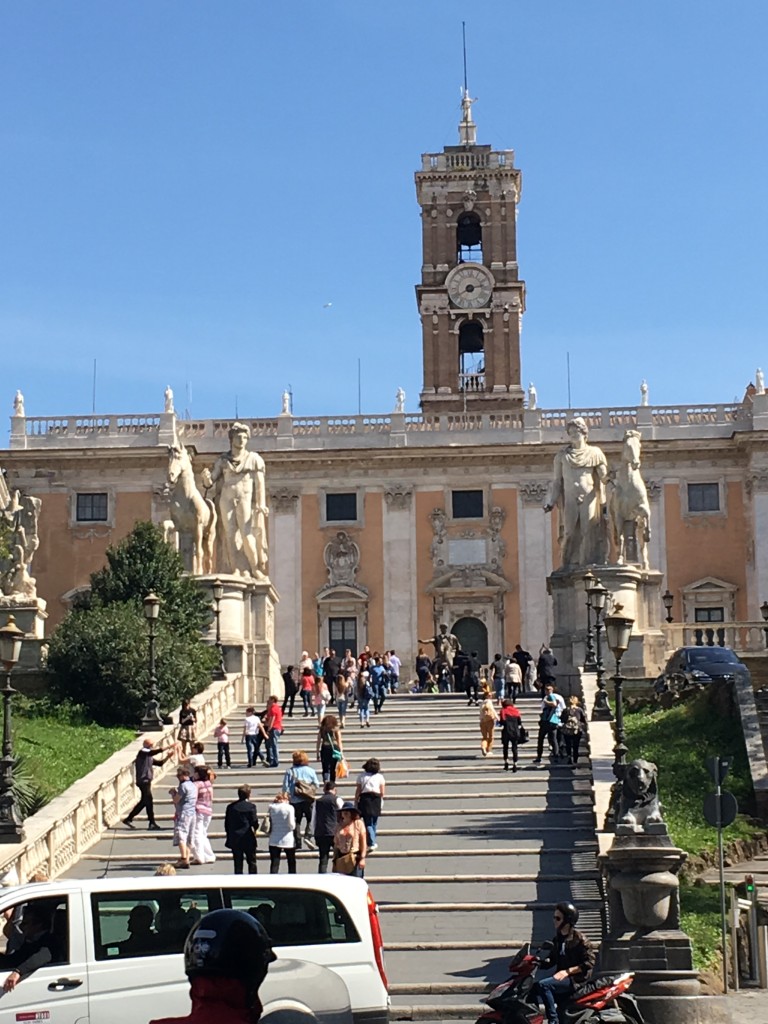
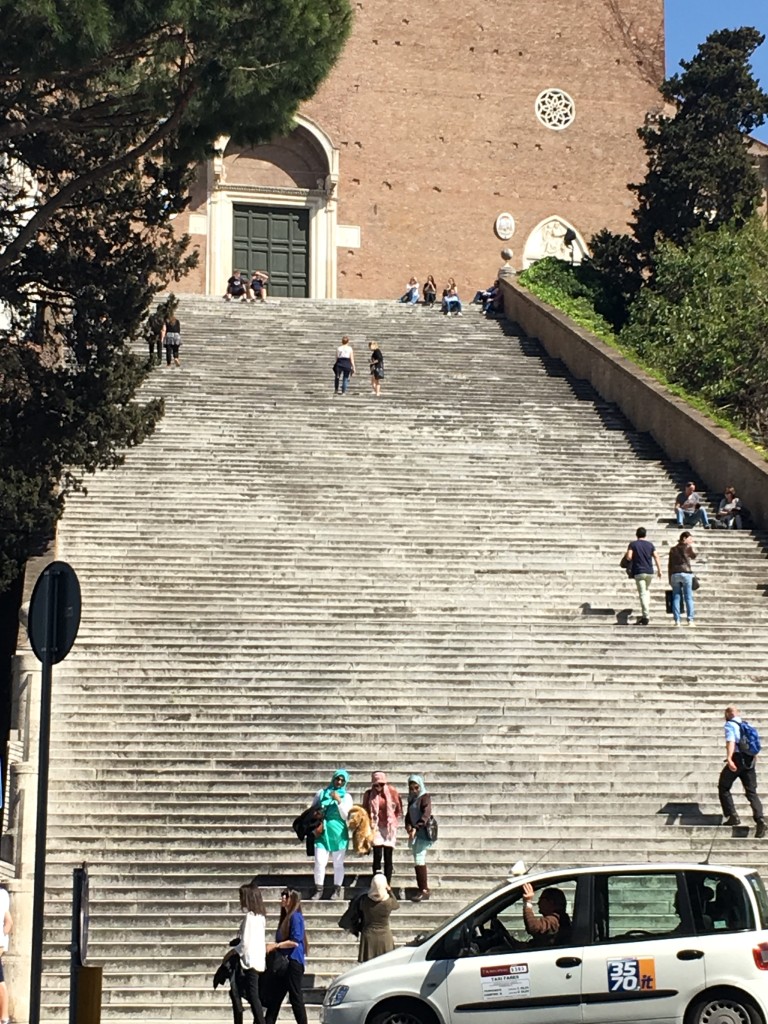
It becomes frenetic and exhausting at this point with ancient fragments popping up every second it seems.  The right turn at the bottom of the hill takes you by the Bocca della Verità (The Mouth of Truth).  Opposite from that there is a Greek temple then a Roman temple and as the roads start to move around, you start to see what looks like the Colosseum but in fact is Marcello’s amphitheater, the Teatro di Marcello. Behind that is Octavia’s portal and the Jewish ghetto.  On the right side lies the most glorious juxtaposition of stairways anywhere.  There is the very subtle Capitoline Hill Stairs, the Cordonata, right next to the severe and steep medieval stairway that leads to the Basilica di Santa Maria in Aracoeli.  On the right hand side beyond the stairways is the slightly incongruous, but ever faithful tourist site for lost travelers, the 19th century wedding cake built to commemorate the unification of Italy in 1870 named the Vittorio Emanuele monument.

We are now in the Renaissance period with the Piazza Venezia with Trajan’s Forum on the right and I have disappeared into Rome before even my first cappuccino.

Rome Pietro Place Peter Jones Rome Steps Pietro Place Peter Jones

Virgin America sold to Alaska Airlines

I’m not a Virgin Anymore (Virgin America sold to Alaska Airlines)

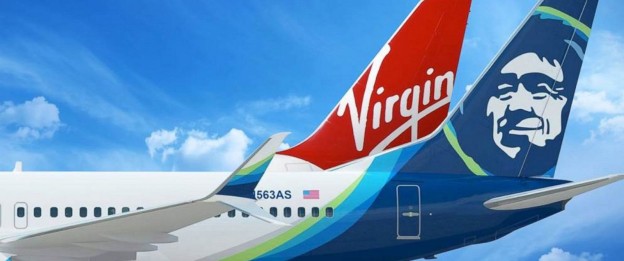
Virgin America has just sold out to Alaska Airlines.

Richard Branson, who owns only a clear 22% of Virgin America, felt so bad about it that he wrote an open letter concerning the takeover.

He could not do too much to stop it because some of his take was in the form of non-voting shares. This effectively reduced his influence in a sell deal to that of a spectator. Because he is not an American, according to USA law, he was never allowed to have majority ownership. Still, he remains optimistic about the airlines’ future. As he put it, “Besides the turbulence and headwinds, the journey remains thrilling and joyful and I look forward to more future flights with virgin America.”

In many ways, the takeover makes sense. Yes, Virgin is a great brand and Virgin America was a cool airline to fly on. The banter on board, the groovy lounges, the reception, everything was pure Virgin. The only weakness of the original Virgin America set up was that the curious bystander often wondered why they could not link Virgin America to Virgin Atlantic for international travel. Now with Alaska, they simply add much more domestic connectability.

Frankly, now that Virgin America sold to Alaska Airlines the brand is going to become diluted.

Alaska might be famous for its onboard cuisine if you fly in business, but beyond that it is pretty much bog standard. In other words, you get what you pay for. Alaska could only benefit greatly from the bounce of the Virgin brand as they go head-to-head with the Southwest and Jet Blues.

It’s all about consolidation. Airlines are making bigger profits, oil is cheap as chips, the seats are shrinking, the food is sucking even more, and Richard just walked away with a cool half billion dollars.

The same thing kind of happened on Virgin Atlantic.

In 2012, Branson said that he could not survive competitively unless he had an alliance. There was talk of aligning with British Airways and Singapore, but in the end it was Delta who picked up the mantle – the largest airline in the world married a virgin!

Essentially, Delta picked up all Virgin slots and 49% of Virgin Atlantic. It gave both airlines more access in a highly competitive market and it gave Delta a hot card to play against its transatlantic nemesis, British Airways. Imagine this, now there would be nine daily round-trip flights from London to JFK and Newark and 31 peak day daily flights to London! More importantly, for Delta fans, you get the chance to visit the groovy Virgin lounge as opposed to the abysmal Delta one where they won’t let you bring in a desperately needed sandwich because they are scared you will compare it to the rubbish you are getting inside. So there are benefits. Although currently Delta flies into Terminal 4 at Heathrow whereas Virgin is in Terminal 3, so you need to have a 10 minute limo service to connect you between the lounges! Not so good.

In the end, when we travel on Virgin, we buy the brand.

The brand’s God is Branson. It starts at the counter with the red suited flight attendants and the funky fishbone configurations in upper class on the planes. It is a kind of an antidote to British Airways and it worked. People became Virgin groupies. The lounges are the best and the people that work at Virgin all carry the brand with pride.

So how is the marriage going? It’s probably working well economically but I do get the feeling having dealt with both sets of staff that this marriage is definitely destined for twin beds at the very least and separate rooms in the future. Maybe that’s how marriages last!

Image courtesy of ABC News: http://abcnews.go.com/Business/virgin-america-alaska-air-merger/story?id=38143131

Airline Class Warfare

NOT JUST ANOTHER BUM IN A SEAT! (Airline Class Warfare)

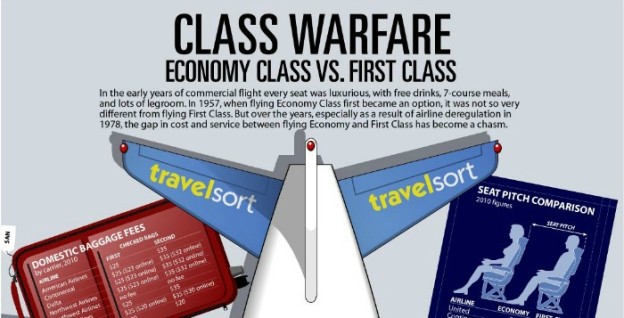
Incidentally, if you have not noticed, while the airlines are fawning over the front of the plane, and I mean fawning, (“Can I take you to your seat?”, “Would you like an espresso?”), in the back the seats are shrinking. By that I mean, they are putting more seats in and the width, depth, and pitch are getting smaller.

Planes that started out with a configuration of 167 seats are now putting in 179 seats. On most Boeing 777’s, what used to be 247 seats is now 289 seats. Guess where they are adding? In the economy section. They now have introduced the “skinny seats” to the airlines. Three-quarters of Delta’s equipment is running on a 17-inch seat width. What used to be the norm of a 32-inch pitch has now shrunk down to a 30-inch pitch; that is United’s new standard economy seat pitch. Plus what used to be 18 inches is now 17 inches in seat width. The only good news here is that the depth with the new skinny seats has grown from 22 inches to 24 inches by removing padding from the backrest and removing the extra paraphernalia from the back of the seat in front of you. They have even introduced skinny lavatories. Not the kind of place where you want to hang out with the Sunday newspaper.

Most recently on a British Airways flight, it cost me $55 to pre-book an economy seat for the transatlantic portion. It would have cost an additional amount for an emergency row. If I wanted to sit by the window, there is another surcharge. I have not even made it to premium economy yet! In other words, when you are sitting at the back of the plane with your cheap and cheerful ticket, they have plans for you – squeeze you in, don’t hang out in the toilets too long (after all it may be more comfortable in there than it is in your seat), and glance longingly through to the front of the plane where a carefully screened curtain keeps you at bay from those who want to have nothing to do with you!

But there is good news afoot.

There is a trickledown effect due to the fact that the airlines are smarting up the front of the plane and installing super cool video equipment.

What’s good for the goose is good for the gander. Airlines are upgrading their video selections, their live TV streaming, and fairly shortly we will be able to control our own entertainment through our mobile devices. After all, you don’t want class warfare at 35,000 feet in the sky.  So for the most part when we sit in the back of the plane, the food is a little better than it used to be and there is always that faint possibility that if you travel enough or happen to catch the right person on the right day, you can get upgraded.  Yes…the upgrade!  That moment when your knees go wobbly and this person with all of the power looks at you and says, “We are a little tight in the back so we have some good news for you.”….Yeah right!!   Dream on!  Nothing happens for free anymore. Get back to those seats in the back and prepare yourself with Benadryl, beer, or Ambien.  Who needs a flat seat when you have those things in your arsenal?! And for the extra $19,000 to sit in first class, my two cents are that the economy blues can be suspended with a few tricks. Bring your own headsets, a fabulous sandwich from a local deli, a neck rest, and sync into the comparative luxury of your new skinny seat, preferably equipped with knee guards to stave off the person in front of you.  Don’t forget your Ambien!

Image courtesy of Ready Set Trek: http://readysettrek.com/class-warfare-infographic/

Zurich Pietro Place Peter Jones

Zurich

I had never been to Zurich before and probably will never go back.

Last year I was in Lausanne and promised myself never to return! I added it to my list of boring places – Deauville, Trouville, Biarritz. Places that I was curious about but couldn’t muster up enough energy or desire to return. Cross them off the list and add them to Cyprus and a few other places that I have been inquisitive about and will not go back to. But Zurich…I am torn.

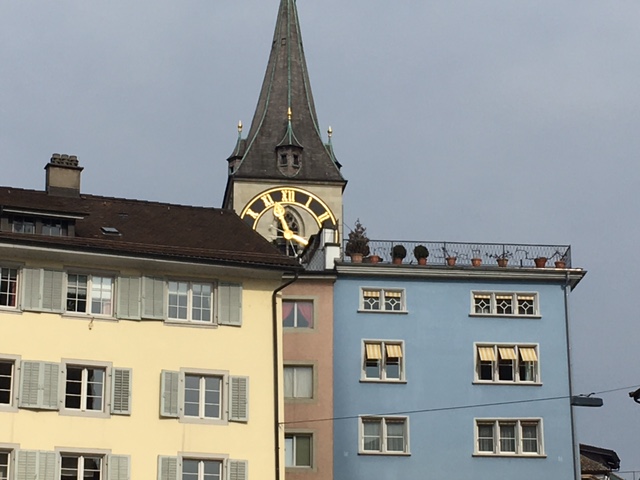
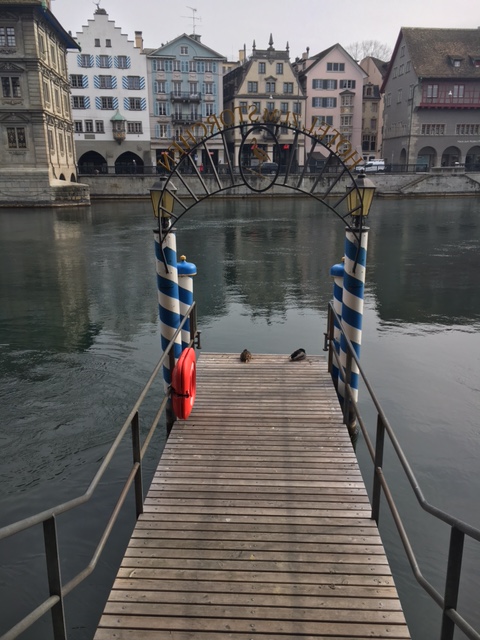
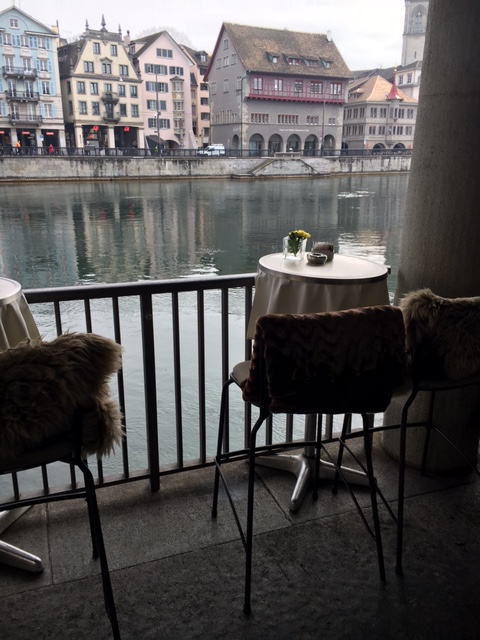
This year we descended upon Zurich because I had heard some great things about it. A good nightlife, diverse restaurants, and an overall beautiful city. We stayed in the Stork Hotel. A fabulous location in a great part of town. Café stools outside overlooking the river made it utterly charming and even with cold weather, they provided blankets! I loved this hotel. A pure Swiss scene with beautiful houses over the Limmat River, three towering clock towers, and an extraordinary museum, the Kunsthaus Zürich, packed chock-a-block with masterpieces through the ages. There was a lot of Giacometti, in fact the whole family of Giacometis, a fair amount of Chagall, and a splash of Picasso and other xtraordinary artists. It had the lot. It was slightly overwhelming!

There were the two principal churches in Zurich with their stained glass windows rendered more spectacular by the artists whose paintings I had just seen in the museum. The walks were pleasant, the streets and squares were made with lots of cobblestones, all extraordinarily clean. Everything spilled onto the lovely river, even the Bahnhof with its underbelly filled with shops and eateries was decidedly clean and accesible. And of course there were swans. Lots of them.

This is a city with enough to do if you plan two or three days max.

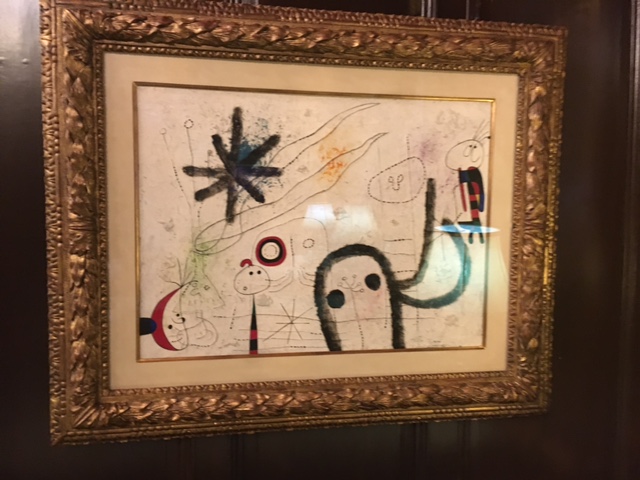
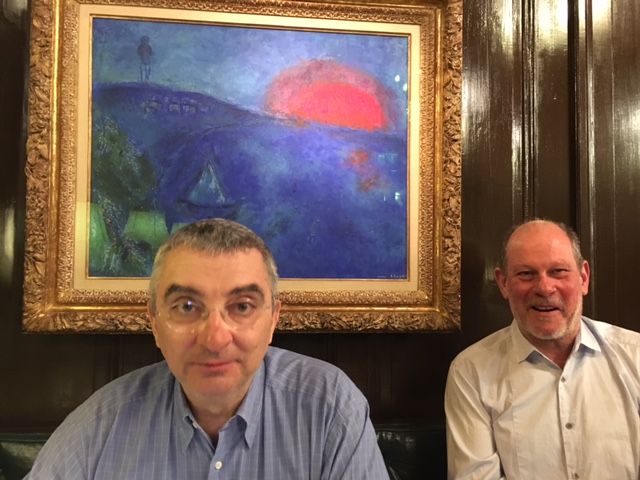
On the restaurant scene, there are expensive places that have an iconic history in Zurich folklore like the Kronenhalle. The food there is pure Swiss with rösti, lots of meat, and fabulous desserts. The ambiance is extraordinary. Original artwork is all around – a Chagall here, a Miro there. Not far away there is Brasserie Lipp, one of Paris’ most reputable brasserie’s transplanted into the heart of Zurich. There are less expensive options and of course a few pubs where you can grab a beer, a burger, and watch a soccer game. The nightlife was a bit thin and daytime was a little quiet. Everything was very orderly and very Swiss. The tram system was incredibly efficient and very clean. As I walked along the narrow alleyways by the river and crossed one of the smaller bridges to get to the Church of the Grossmünster, I thought of how civilized this place is. Probably a nice place to bring the kids up. It’s a bit like Vancouver. But I really do not think I could live here!

Zurich Pietro Place Peter Jones Zurich Pietro Place Peter Jones Zurich Pietro Place Peter Jones Zurich Pietro Place Peter Jones Zurich Pietro Place Peter Jones Zurich Pietro Place Peter Jones